
Drug Induced Nutrient Repletion Chronicles From the OBM Lens- When “Fixing the Deficiency” Makes the Patient Worse
May 04, 2026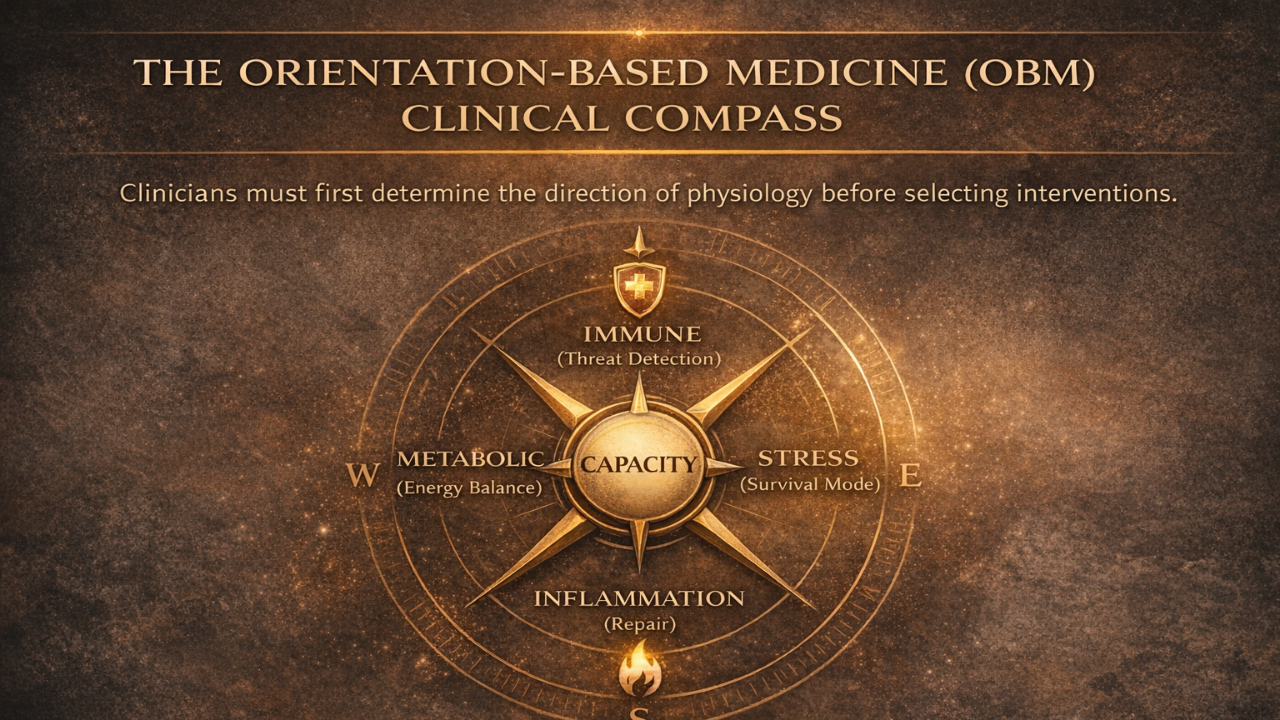
Introduction
Drug-induced nutrient depletion is one of the most widely accepted concepts in clinical practice.
Statins deplete CoQ10.
PPIs reduce magnesium absorption.
Metformin impacts B12.
So the logical step is:
👉 replace what’s missing
And often, that works.
But not always.
The Pattern Clinicians Struggle With
You identify a depletion.
You replace it.
And the patient says:
- “I feel worse”
- “Something feels off”
- “My sleep got worse”
Now you’re left wondering:
Was it the wrong supplement?
The wrong dose?
The wrong form?
Case 1: Statin + CoQ10
A patient on atorvastatin presents with fatigue.
You add CoQ10 to support mitochondrial function.
Instead of improving:
- Sleep becomes lighter or disrupted
- Energy feels more unstable
- There’s a subtle sense of overstimulation
Why?
CoQ10 doesn’t just “replace a deficiency.”
It increases mitochondrial activity.
If the system is already dysregulated, increasing energy production can feel like increased activation — not improved function.
Case 2: Magnesium in a Dysregulated System
A patient with:
- poor sleep
- high stress
- internal tension
is given magnesium.
Instead of calming:
- sleep becomes fragmented
- anxiety increases
Why?
Magnesium shifts nervous system tone.
In a stable system, that’s calming.
In an unstable system, it can feel like loss of control or increased internal noise.
Case 3: B Vitamins and Overactivation
A fatigued patient is given a B-complex.
Within days:
- anxiety increases
- sleep worsens
- they feel “wired”
Why?
B vitamins increase metabolic throughput.
If the system cannot process that increased activity:
👉 it experiences overload, not energy
The Core Issue
These interventions were not wrong.
They were:
👉 delivered to a system that could not process them
The Missing Clinical Question
Functional medicine often asks:
“What does this patient need?”
But misses:
👉 “What can this patient handle right now?”
The OBM Insight
Nutrients are not passive.
They:
- change signaling
- increase activity
- require integration
If capacity is low:
👉 even the right intervention becomes too much
Practical Takeaway
Before repletion, assess:
- sleep quality
- nervous system stability
- recovery capacity
- overall load
Because sometimes the best next step is not adding support…
👉 it’s reducing demand
Closing Thought
Drug-induced nutrient depletion is real.
But so is this:
👉 A system without capacity cannot benefit from correction
Orientation-Based Medicine closes soon, Founders Pricing goes away as well- act now because you own it for life- only a few spots left
If you want to stop guessing what your patients can tolerate…
👉 https://www.functionalpharmacy.com/orientation-based-medicine-cohort-certification-public
