
Thyroid Timing Chronicles Through OBM: Why Thyroid Treatment Backfires in Some Patients
May 05, 2026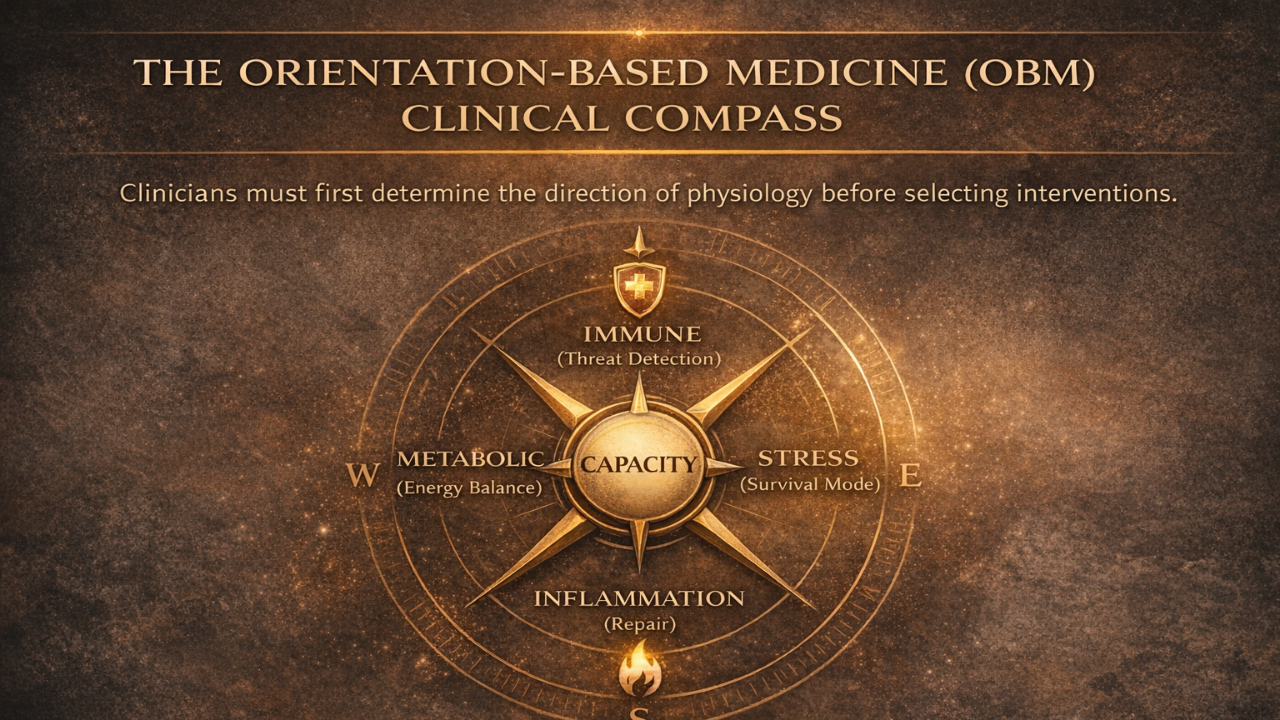
Introduction
Thyroid is one of the most commonly targeted systems in medicine.
TSH is elevated.
T3 is low.
So we intervene.
And in many cases…
👉 it works well
But there’s a subset of patients where:
👉 symptoms worsen
The Pattern
You’ll hear:
- “I feel more anxious”
- “My sleep is worse”
- “I feel wired but exhausted”
- “Something doesn’t feel right”
Case 1: T3 Addition → Anxiety
A patient with fatigue and low T3 begins support.
Shortly after:
- anxiety increases
- sleep becomes disrupted
- energy feels unstable
Why?
T3 increases:
- metabolic rate
- nervous system activity
- overall demand
If recovery capacity is low:
👉 the system cannot sustain the increase
Case 2: “Labs Improve, Patient Doesn’t”
TSH normalizes.
T3 improves.
But the patient still feels:
- fatigued
- unstable
- unwell
Why?
The issue wasn’t just thyroid.
👉 it was overall system capacity
Case 3: Subclinical Pattern → Overcorrection
Patient with mild lab changes receives treatment.
Instead of improving:
- symptoms become more volatile
- energy becomes inconsistent
Why?
The system was already fragile.
Increasing demand amplified instability.
The Core Insight
Thyroid doesn’t just give energy.
👉 it demands energy
It:
- increases output
- raises metabolic demand
- requires recovery
The OBM Perspective
Instead of asking:
“What do the labs say?”
Ask:
👉 “What can this system sustain?”
What Needs To Come First
Before thyroid intervention:
- consistent sleep
- reduced stress physiology
- improved recovery
- stabilized baseline
Then:
👉 thyroid therapy becomes effective
Closing Thought
Thyroid is powerful.
But power without timing?
👉 creates instability instead of energy
Orientation-Based Medicine closes soon, Founders Pricing goes away as well- act now because you own it for life- only a few spots left
If you want to stop guessing what your patients can tolerate…
👉 https://www.functionalpharmacy.com/orientation-based-medicine-cohort-certification-public
